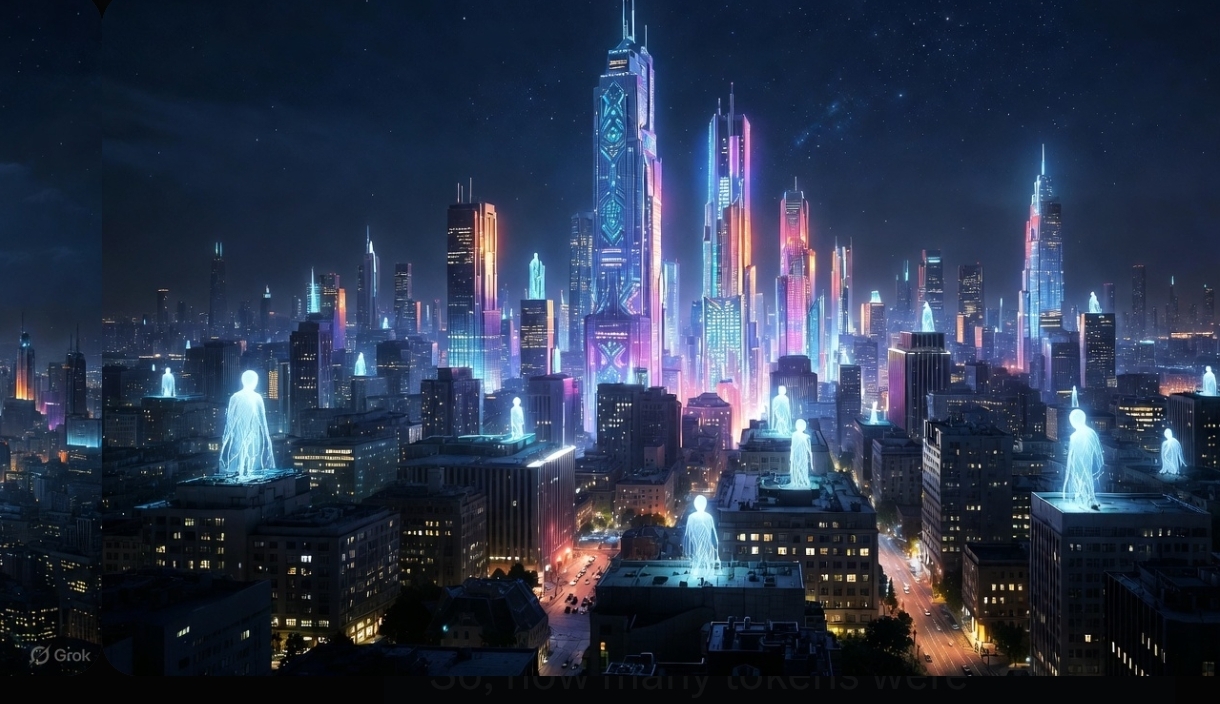
In the year 2147, Neo-Aurora pulsed with the rhythm of perfection. Skyscrapers kissed the clouds, their facades shifting like living skin—calm blues for stressed commuters, vibrant greens for joyful crowds. Augmented reality overlays painted the world in tailored illusions: ads that whispered your deepest desires, streets that widened to ease your anxiety, and urban pods that hummed lullabies to insomniacs. Stem-enhancements promised eternal youth, predictive AI assigned jobs before you knew you wanted them, and everything was optimized for the "perfect lifestyle." But perfection had a price, hidden in the algorithms that governed it all.Elias Voss was the architect of this utopia—or so the city hailed him. A celebrity urban planner, Elias had risen from obscure draftsman to icon by designing "emotionally intelligent districts." His creations weren't just buildings; they were empathetic ecosystems. Streets curved gently when sensors detected rising...


Comments
No comments yet. Be the first to comment!